Every fall the same questions come across the counter. Owners look at the calendar, remember last winter’s stuck machines, and start asking what it would take to keep the side-by-side useful when the ground turns soft or deep. The answer is rarely simple, because tracks change more than just traction.
A set of UTV snow tracks alters how the machine sits on the surface. Instead of four relatively small contact patches pressing into powder or mud, the weight spreads across a much larger area. The vehicle rides higher and with less tendency to dig. That single change is often enough to reopen trails, pastures, and access roads that close once the tires start spinning.
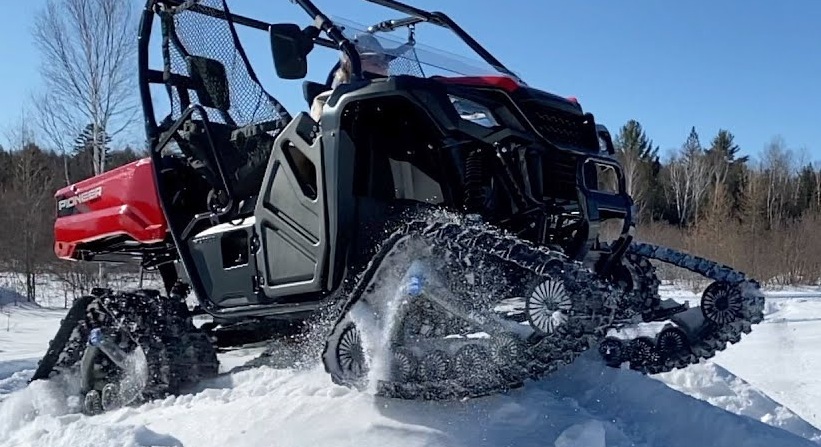
The same systems that handle winter also serve as UTV tracks for snow and mud through the rest of the year. Spring thaw and prolonged wet periods create the same flotation problem that deep powder does. Owners who leave the tracks on longer than a pure winter setup discover the machine stays productive in conditions that would otherwise park it until the ground firms up. The trade is lower top speed and greater attention to hard-surface travel, both of which become manageable once expectations are adjusted.
Many full-size machines end up equipped with Camso UTV tracks because the systems deliver consistent flotation and a steering feel that most operators adapt to quickly. Clearance increases enough to notice on the first rough stretch, and the overall package suits mixed recreational and light work use without requiring the heaviest available hardware.
Other operators choose Kimpex UTV tracks when the side-by-side sees longer days in mixed terrain or when straightforward serviceability ranks high among their priorities. The hardware is designed with working use in mind, and the available fitments cover a wide range of current models. Matching the system to the actual weight and intended duty of the machine remains more important than any single published number.
Fitment itself is the first filter that cannot be skipped. Mount kits are specific to year, make, and model, so the process always begins with the exact vehicle rather than a general product page. Once that is confirmed, the remaining questions become practical: how often the machine will face the conditions that defeat tires, whether real loads are involved, and whether the owner accepts the reduced speed and surface discipline that come with the setup.
When the conversation turns to UTV tracks for sale, the decision usually settles once those points are clear. The right system turns a capable side-by-side into a machine that continues working after the calendar and the weather would otherwise end the season. The costs in speed and maintenance attention are real. For the owners who need the reach, those costs are usually accepted without much second thought.